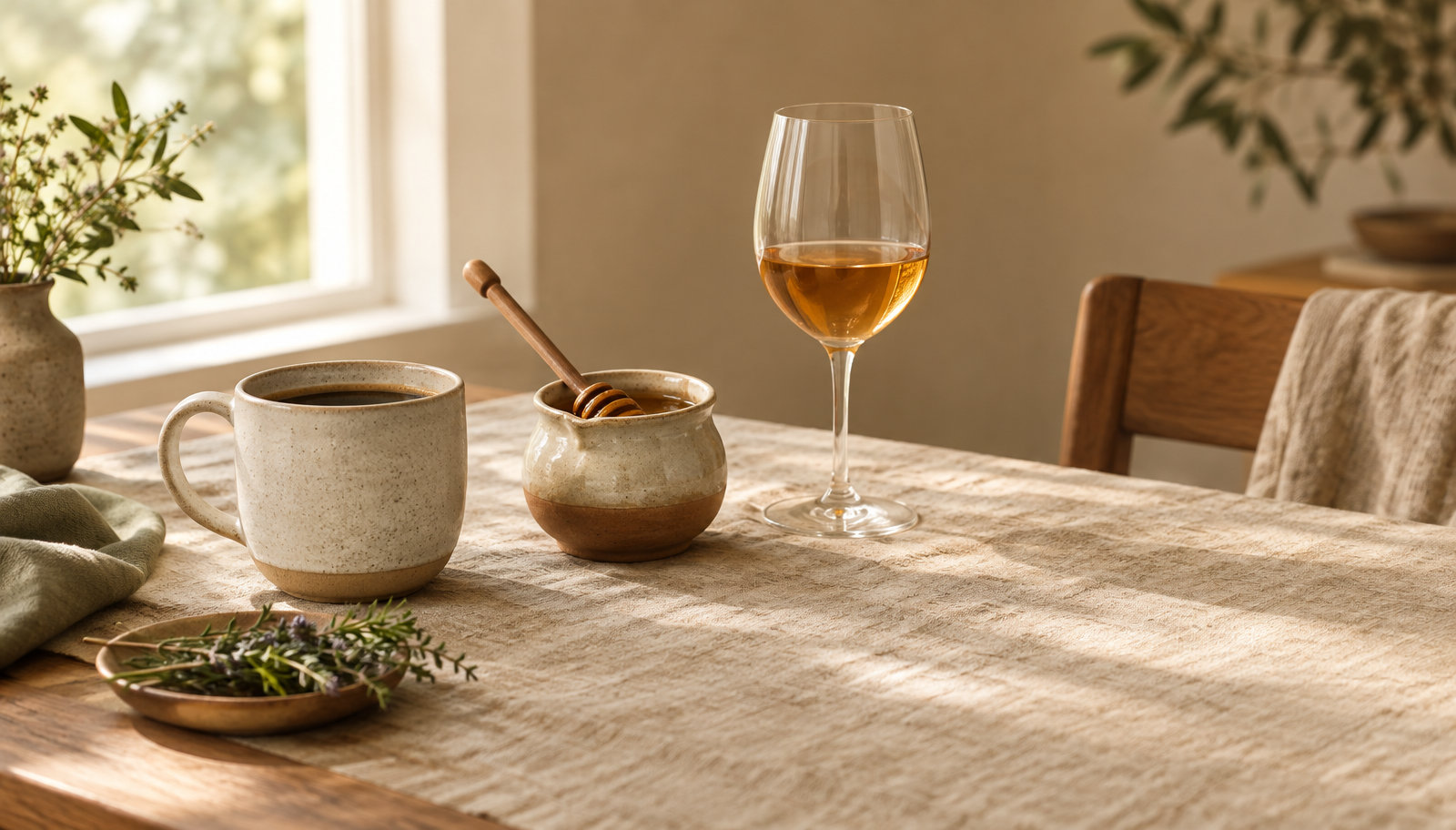
Foods That Cause Anxiety and Panic Attacks: What to Notice First
Some anxiety starts in your thoughts. Some of it starts in your coffee cup, your afternoon snack or last night's glass of wine. If you have ever felt restless, wired or on edge without a clear reason, it is worth looking at the foods that cause anxiety for many people - not to label anything as good or bad, but to notice what your own body is telling you.

What Does Anxiety Stomach Pain Feel Like, and What Helps
Anxiety stomach pain can feel like knots, cramps or nausea. A therapist and holistic health coach explains the gut-brain link, when to see a doctor, and simple tools that help.

Ambiguous Grief: Living With an Ambiguous Loss That Has No Ending
Some losses come with a date, a service, and people who know to bring food. Others never resolve into anything anyone can name. The person is still alive but not reachable. The relationship is technically intact and entirely gone. Something ended and nothing was marked.

Codependency vs Interdependence: How to Tell the Difference
If you have ever wondered whether you love people too much or simply do not know where you end and they begin, the codependency vs interdependence question is a useful one. Both look like closeness from the outside. Only one of them leaves you intact.

Types of Boundaries: What They Are, With Examples and Scripts
Most people do not go looking for the types of boundaries until something has already worn thin - a friendship that only runs one way, a job that keeps taking evenings, a family member who asks questions you would rather not answer.
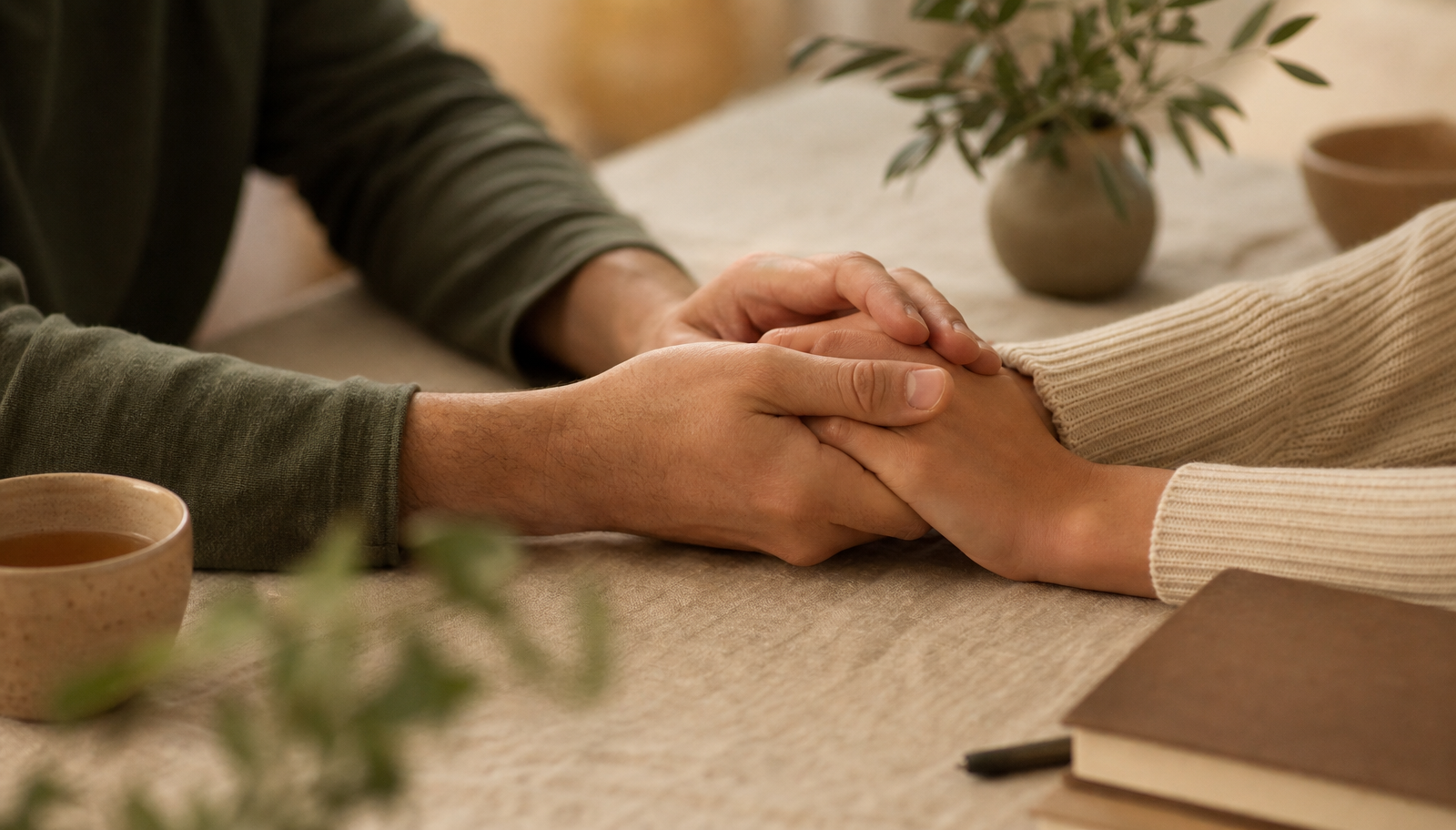
How to Repair After a Fight: Rupture, Repair and What to Say
The fight is over, technically. Nobody is shouting any more. But you are in separate rooms, your chest is still tight, and neither of you knows how to walk back through the door.
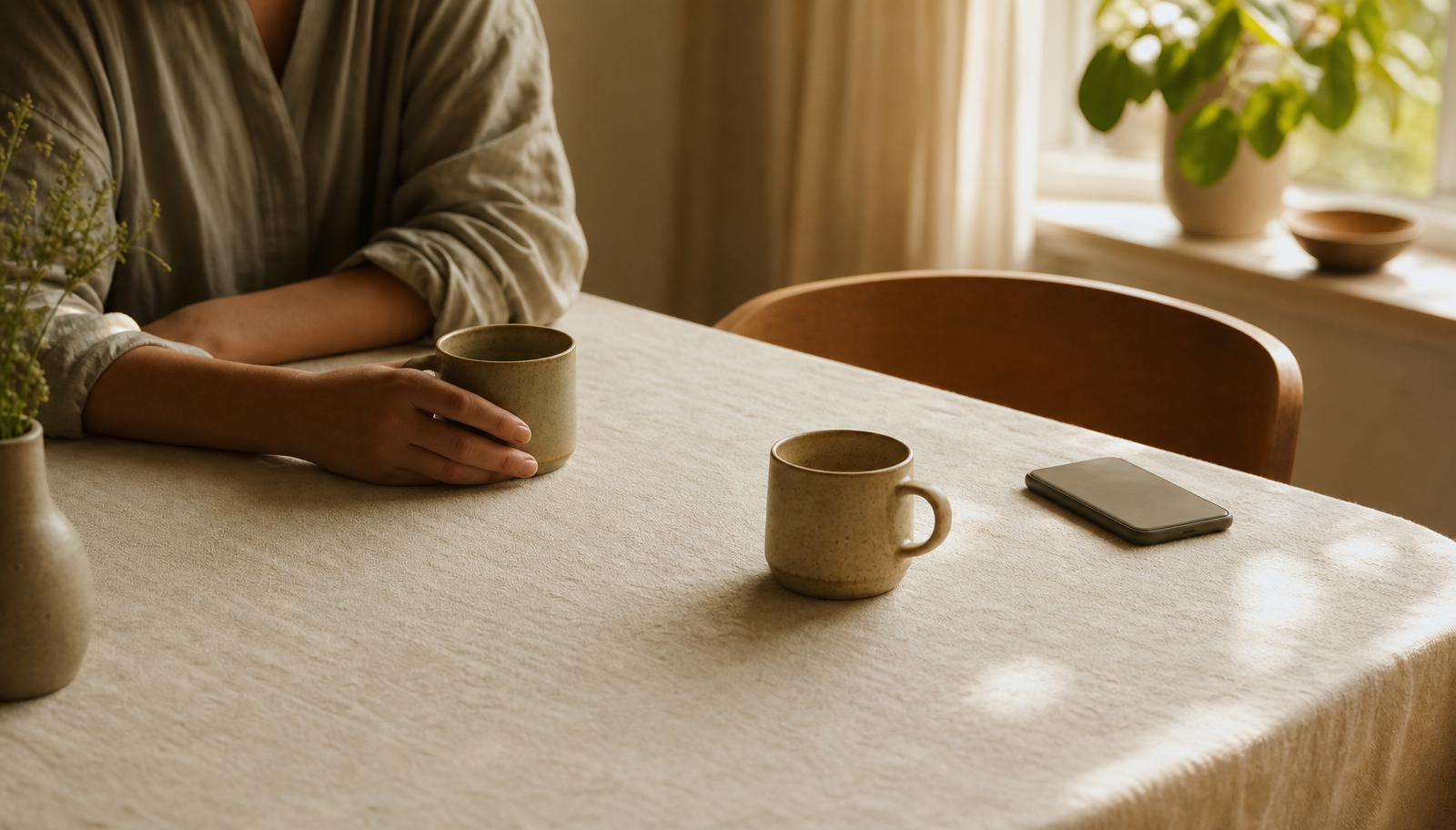
Anxious Attachment Style in Relationships: Signs, the Cycle and How It Changes
If you have ever reread a text twelve times, felt your stomach drop when the reply took too long, or needed to hear "we're okay" more often than you'd like to admit, you may recognize the anxious attachment style in relationships.